
Help track city’s swans as cygnets hatch
City residents are being asked to track Lincoln’s swan population as it recovers from avian flu.
People can use the Lincoln Swan Project App as young birds begin hatching across local waterways to report sightings of swans, particularly pairs with nests, eggs or cygnets.
The project, led by researchers from the University of Lincoln and Keele University, will help them understand how the population is recovering following several losses linked to avian flu over the winter.
Researchers say the app is one of the easiest and most effective ways for residents to contribute to ongoing conservation and monitoring work while out walking around the city.
When sending a sighting, please include:
- The swan’s ring number, shown on a yellow leg ring with one letter followed by three numbers
- The location, either GPS coordinates or a clear location description
- Breeding information, including whether cygnets are present and, if so, how many
These details help researchers identify individual birds, monitor family groups and better understand how the population is changing over time.
Dr Laëtitia Maréchal said: “Lincoln’s residents play a direct and vital role in protecting one of the city’s most iconic wildlife populations. Every sighting, every report, and every donation helps us better understand and safeguard the future of Lincoln’s swans.
“The Lincoln Swan Project App makes it easy for people to record sightings while they are out and about, and every submission helps us build a clearer picture of how the population is recovering.”
As well as the app sightings can also be shared by email at
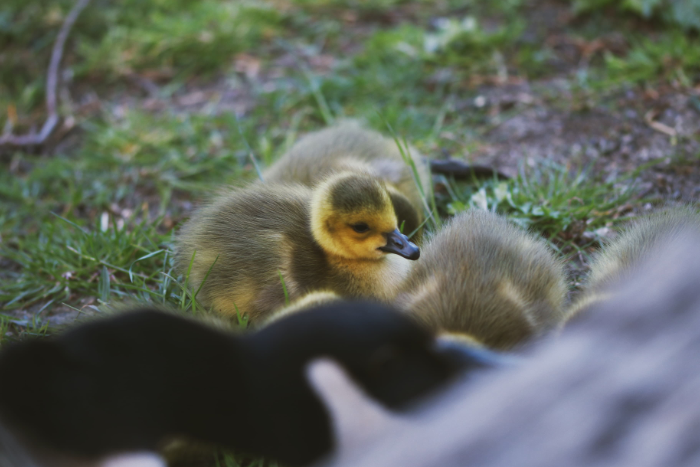
Alex Foxley-Johnson’s picture above shows a cygnet born on Lincoln’s Brayford Pool area.